All Categories
Featured
Frequently check the yard for actively growing weeds, in addition to recently germinated weed seedlings. Weed species tend to be discovered in specific environments, so keeping track of for a particular weed ought to be based on understanding of its biology. For example, crabgrass is a spring annual that needs light to sprout.
Mid-summer would be an excellent time to search for fully grown plants to identify seed sources for the list below year. Late fall would be the finest time to look for seedlings of winter season annuals such as henbit or yearly bluegrass. Annual grassy weeds such as crabgrass, goosegrass and foxtails are thought about major weeds because they can efficiently take on grasses and can substantially reduce lawn density in a single season.
To be effective, this herbicide must be applied in early spring prior to weed seed germination. Dandelions are common in home lawns, particularly where the yard is thin or trimmed too brief.
Advanced Agronomic Practices for Maximum Lawn DensityThe root will send up new development up until the plant lacks energy. As with the rest of natural lawn management, using sound cultural practices is essential to reducing weed problems. A list of the most essential cultural practices follows: Trimming at 2.5 to 3 inches for the cool-season yards will keep the lawn thick and prevent weed seed germination.
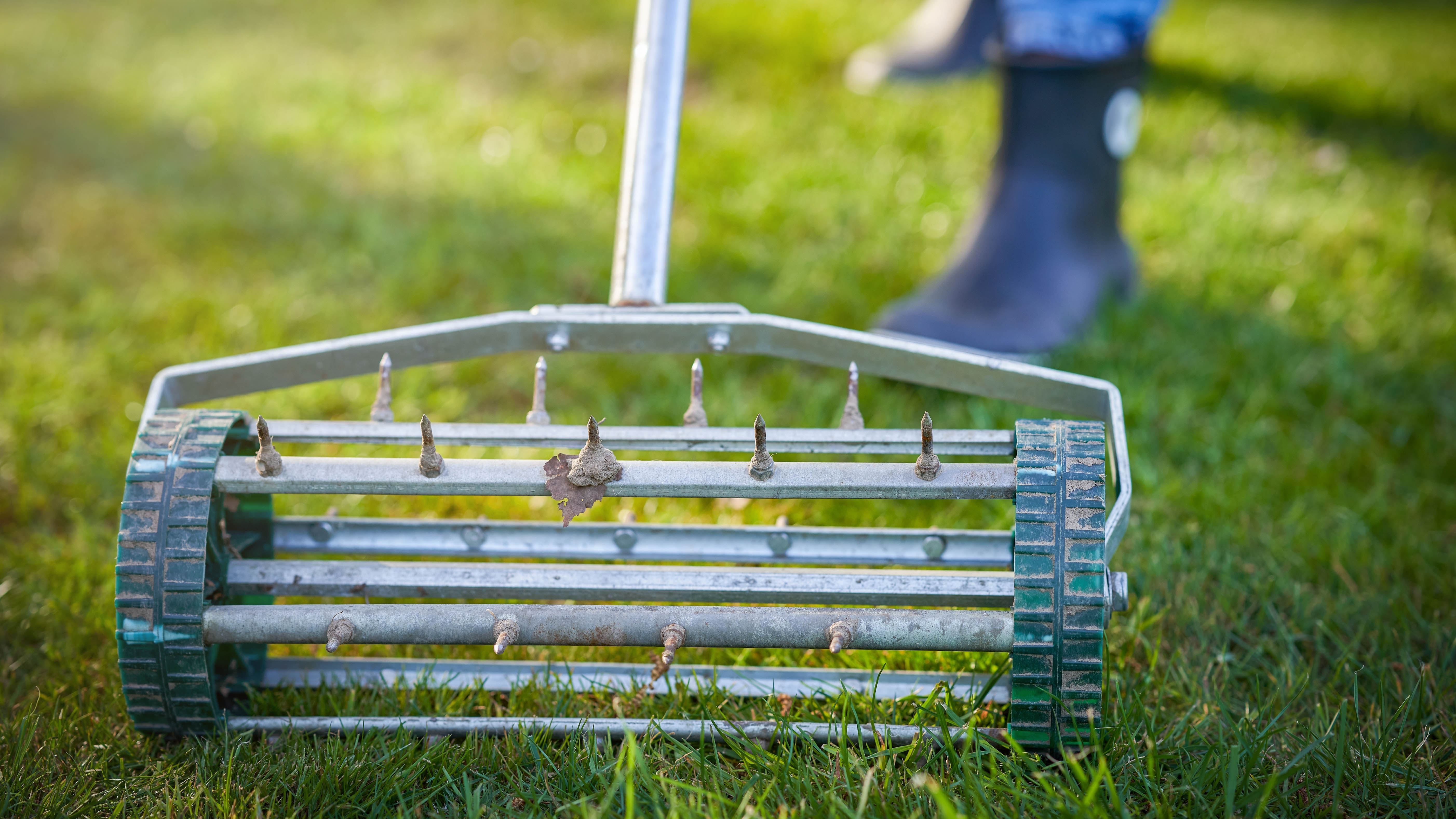
High mowing will maintain grass crowns and leaves for photosynthesis and eliminate weed flowers and seed heads. Frequent mowing will avoid or reduce seed production in some weed species. Fertilize more greatly in fall and keep fertility levels up in late spring and summer utilizing sluggish release products. Regular, shallow irrigation dissuades root growth and can motivate weed seed germination.
Organic Vs Chemical Nutrient Options
Remodel chronically thin yards to regionally adapted types and cultivars. Fall is the finest time to do this for cool-season turfs. Do not seed when utilizing corn gluten meal.
Herbicidal soaps work by contact and will not impact underground plant parts. They can be quite effective against annual weeds, however are not as effective versus perennial weeds with comprehensive root systems; plants will likely regenerate from their root systems. Herbicidal soaps can be efficient against little annual and biennial weeds such as typical chickweed, identified spurge and crabgrass.

Since herbicidal soaps are non-selective, they can adversely impact preferable plants in addition to weeds. Recent research shows that corn gluten is a reliable pre-emergent herbicide that can manage crabgrass, barnyardgrass, foxtails (Setaria spp.), dandelion, lambsquarter, pigweed, purslane and smartweed. Corn gluten is a byproduct of corn syrup production. The proteins in the corn gluten act upon sprouting seeds to inhibit root growth.
Corn gluten also includes 10 percent nitrogen by weight, and has a slow-release fertilizing impact when applied to home yards. If used at the rate of 20 pounds per 1,000 square feet, this also successfully uses 2 pounds actual nitrogen (N). Research reveals that 50 to 60 percent weed control can be accomplished in the first year when corn gluten is used at 20 pounds per 1,000 square feet; 80 to 85 percent in the second year; and over 90 percent control by the third year.
The very best time to use corn gluten is quickly after the last spring frost and again in the fall. Water following the application if there is no rain, then allow the area to dry for two or 3 days. A dry period following application is required for corn gluten to successfully eliminate emerging weed seedlings.
Expert Tips for Boosting Lawn Density
A corn gluten application can hinder lawn seed germination, so prevent using this item if reseeding or overseeding a location of the yard. Aspects to consider in making use of corn gluten consist of: 1) expenditure; 2) your understanding of weeds and their life process, because it must be applied in a four- to six-week duration prior to weed seed germination; and 3) perhaps inconsistent outcomes, due to the fact that extreme moisture and microbial soil activity can lower its effectiveness.
Chelated iron is an active component (Carnival) that provides control for broadleaf weeds in the lawn. Other products (such as A.D.I.O.S) have salt as an active ingredient and supply broadleaf weed control. Other tools readily available for weed management that you may wish to check out include flame weeders, hot water weeders, flameless radiant heating systems and soil solarization for big weedy locations.

Latest Posts
Ways to Promote Sustainable Turf Health
Choosing the Ideal Grass Seed for Sunny LawnsKey Steps for ImprovingLawn Density
Vital Methods to Enhance Lawn Soil Health