All Categories
Featured
Table of Contents
Once cooled, it can simply be utilized to water the plants. This solution is rich in vitamins and minerals, enhancing the soil immediately.
Fruit and Veggie Scraps Scraps like apple peels, lettuce leaves, and carrot tops can be turned into fertilizer through home composting. This procedure results in a rich and balanced material that can be integrated into the soil. Nourishing the plants, composting significantly lowers the amount of family natural waste, promoting a more sustainable routine.
Wood Ash Unprocessed wood ashes are rich in potassium and calcium, perfect for neutralizing extremely acidic soils. They need to be applied in little quantities, blended with the soil, avoiding extreme quantities that might jeopardize nutrition balance! This kind of fertilizer is especially shown for gardens and vegetable spots, stimulating performance and the durability of species.
Mastering the Nitrogen Cycle for Local Grass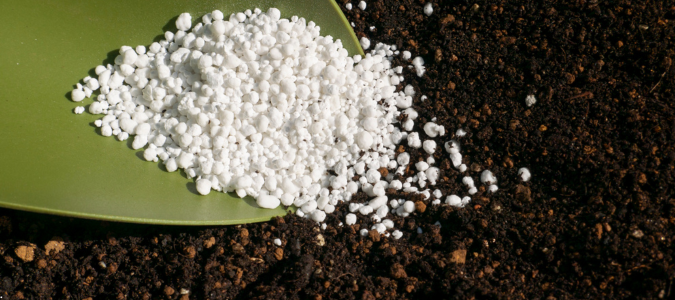
Garden Compost Tea Prepared from the fermentation of organic scraps, compost tea is an extremely healthy liquid fertilizer. It can be sprayed on leaves or applied straight to the soil, functioning as a quick increase for weakened plants. It is a solution that integrates the richness of composting with the functionality of liquid application, providing visible outcomes in a short time.
All, even the richest soils can break down with extensive use, such as growing and collecting veggies, fruit and flowers. Keeping fertility of the soil is for that reason an extremely crucial task. The health of the soil can be supported through using natural plant-based fertilizers and correct growing method. This might look like a daunting task, but nature has systems that can effortlessly regenerate even the most depleted land and keep its fertility.
Mastering the Nitrogen Cycle for Local GrassChoosing Best Grass Seed for Sun-Drenched Lawns
If we abide by natural laws of cyclicity, reuse and avoidance of waste, we can support the vitality of the soil and get the harvests we desire. Plants themselves, including what we class as weeds, can be exceptional fertilizers. Such fertilizers are safe, organic, vegan and frequently cost much less than other alternatives, or absolutely nothing at all.
Making plants the source of fertility, instead of exhaustion, tends to be a labour-, time- and money-saving technique. Making use of plants as fertilizers also assists to develop self-sufficiency and fix crucial ethical concerns involved in farming and gardening. This was explained by Iain Tolhurst, a business small vegetable grower from South Oxfordshire, UK.
No-stock means farming or gardening where no products of animal origin are utilized. Decreasing the usage of animal items is essential not only since of the issues of ruthlessness and exploitation of animals that afflict modern-day industrial farming.
Choosing Best Grass Seed for Bright Lawns
The most essential of these is green manures. They help to ensure that the land is never bare and therefore there is no loss of fertility as an outcome of disintegration or washing out of nutrients due to rain and snow.
He likewise uses a seven-year rotation on his fields, where green manures occupy 2 whole years of rotation. Tolhurst started farming over 30 years back on land that was so poor and stony that it was considered inappropriate for agricultural use. With his approach, surprisingly, he has had the ability to run an effective commercial farm.
This contrasts with industrial farming where the exhaustion of land is a significant perennial issue. Plants can be used in four ways to preserve the fertility of the soil, to enhance its structure, to detoxify it and to lower the threat of disease and erosion: As green manure when plants are grown and after that integrated into the soil.
As compost. As a liquid fertilizer when plants are fermented to launch nutrients and used to water crops. Ideally one should a combination of all 4. Field planted with green manure phacelia (purple). What we call green manure are plants sown after the primary crop is harvested. They are integrated into the soil before a new crop is planted.

Latest Posts
Ways to Promote Sustainable Turf Health
Choosing the Ideal Grass Seed for Sunny LawnsKey Steps for ImprovingLawn Density
Vital Methods to Enhance Lawn Soil Health